Key Characteristics of Food-Grade Paper Napkins
Napkins truly suitable for food contact typically possess three distinct characteristics: A base material composed of over 90% virgin wood pulp; the absence of fluorescent whitening agents during the manufacturing process; and successful completion of laboratory migration tests (meaning no fibers shed during use). Such products are soft yet durable-resistant to tearing-and maintain their structural integrity even when wet; furthermore, they leave no paper residue behind, even after wrapping food for extended periods.
Secrets to Identifying Safe Packaging
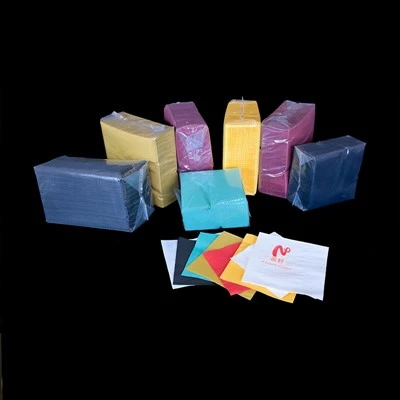
Three key pieces of information on the packaging should never be overlooked: First, check the ingredients list; it should clearly state "Suitable for Food Contact" or an equivalent designation. Second, look for an indication of a "de-inking process," which signifies that the printing ink will not migrate into the food. Finally, observe the packaging's seal integrity; compliant products often utilize double-layer packaging or individually wrapped sheets to prevent contamination during transport.
Practical Tips for Daily Use
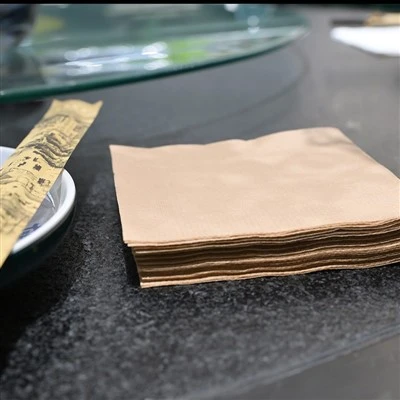
Matching the product type to your specific needs is essential: For lining a breakfast burger, a thicker, embossed variety is a good choice; for picnics, portable, individually wrapped sheets offer superior hygiene; and for wiping the surface of fruit, unbleached, natural-colored napkins are recommended. A special note of caution: Even if colored, printed napkins are labeled as "food-grade," it is still advisable to avoid allowing them to come into direct contact with hot or greasy foods.