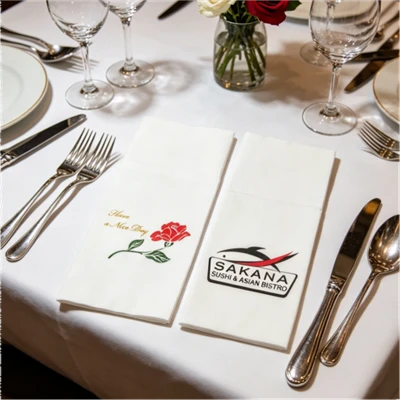
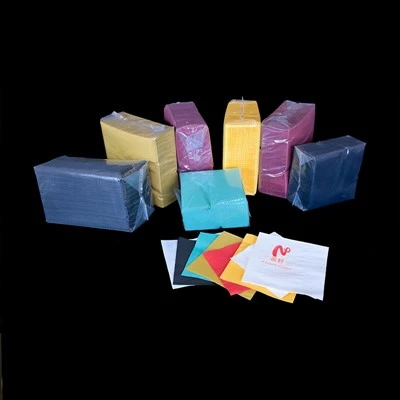
With the gradual advancement of ink technology, napkin printing enterprises have begun to shift toward more suitable water-based flexographic inks, increasingly recognizing the advantages of pigment-based inks over dye-based inks. Against this backdrop, flexographic printing technology has taken center stage in the field of napkin printing; its primary advantages are as follows:
Reduced Odor: The inks produce less odor while offering excellent chemical resistance and abrasion resistance.
Minimized Ink Bleeding: Some napkins, when exposed to beverages, can cause the ink printed on them to smudge and stain white tablecloths or clothing-an issue that frequently leads to consumer complaints. The composition of water-based flexographic inks includes resins and waxes that harden upon drying; furthermore, by utilizing pigments instead of dyes, the phenomenon of ink bleeding is minimized to a negligible degree.
Environmental Friendliness: Water-based flexographic inks are more environmentally friendly because the pigments within waste inks (whether water-based or solvent-based) can be recovered and recycled. Moreover, as they do not generate Volatile Organic Compounds (VOCs), these inks effectively meet environmental regulations aimed at reducing VOC emissions.
Enhanced Corporate Profitability: By alleviating pricing pressures and reducing ink inventory levels, this technology provides significant operational benefits that contribute to improved corporate profitability.