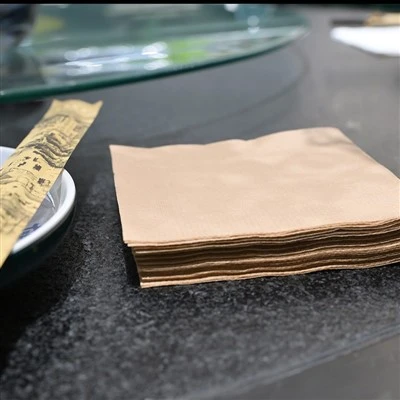
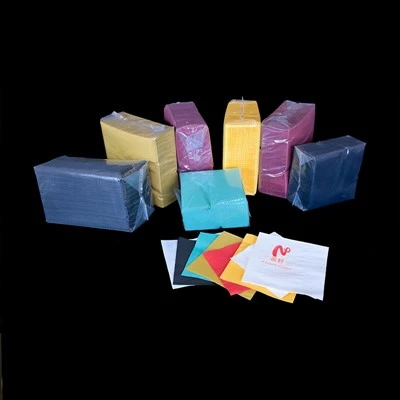
Hand towels are a type of disposable paper product specifically designed for drying hands; they are also referred to as hand-drying paper, kitchen paper, or oil-absorbing paper. Typically manufactured using raw materials such as virgin wood pulp or bamboo pulp, these products are processed to produce a paper with a thick texture and high tensile strength. They are available in two primary forms: rolls and folded sheets (dispenser-style). The core characteristics of hand towels are their strong absorbency and resistance to tearing or shedding lint; they can rapidly absorb moisture from the hands, leaving no fibrous residue behind after use.
Hand towels are primarily utilized in locations such as homes, hotels, shopping malls, and office buildings, where they are typically placed next to washbasins as a standard item for drying hands after washing. The key distinctions between hand towels and toilet paper include: 'Purpose'-hand towels are engineered specifically for drying hands, featuring high absorbency to quickly remove moisture after washing, whereas toilet paper is designed for post-toilet hygiene and prioritizes softness and biodegradability; 'Material and Performance'-hand towels are generally thicker and more durable, resisting tearing and lint-shedding, and possess significantly higher absorbency than toilet paper, whereas toilet paper is softer and fluffier, designed to break down easily upon contact with water to prevent plumbing blockages; and 'Usage Environment'-hand towels are typically positioned next to washbasins in bathrooms, kitchens, and public facilities, while toilet paper is situated next to toilets for use during restroom visits.